Rooted in Faith, Shaped by Change: Burial Choices in California

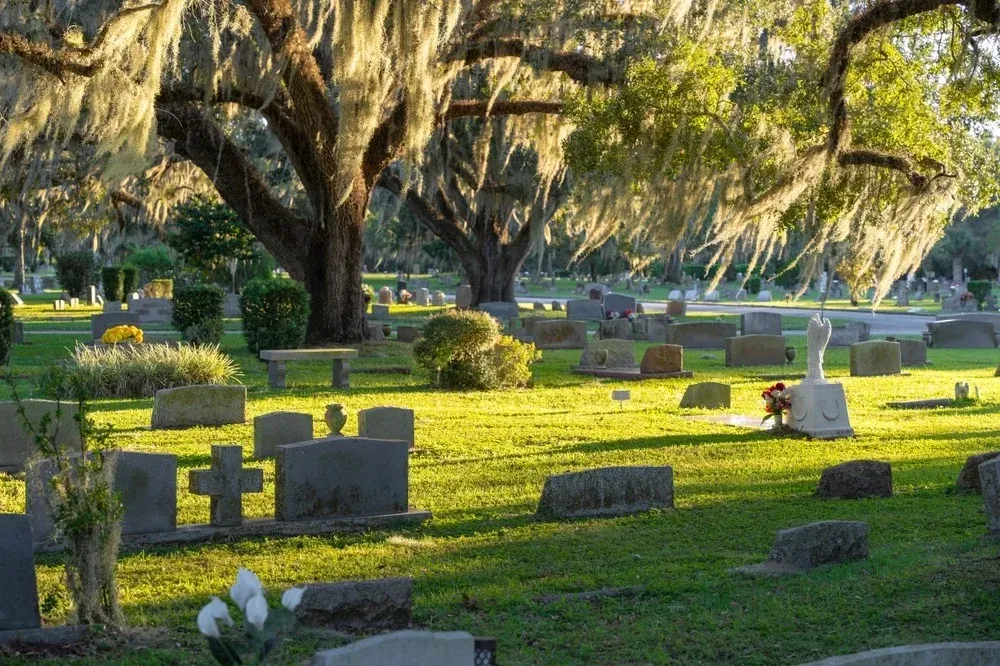
On a warm spring morning in Los Angeles, the Ramirez family gathered beneath the shade of old cypress trees at a cemetery that overlooked the city. The hum of traffic in the distance mixed softly with the quiet murmur of prayers. It was a day of remembrance—but also a reflection of something larger, something that quietly shaped many families across California.

Abuela Rosa had always said that how a person is laid to rest was as much about the living as it was about the departed. Her family understood this well. In California, people came from many cultures, carried many beliefs, and now, more than ever, made choices that blended tradition, practicality, and personal meaning.
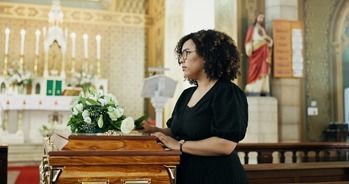
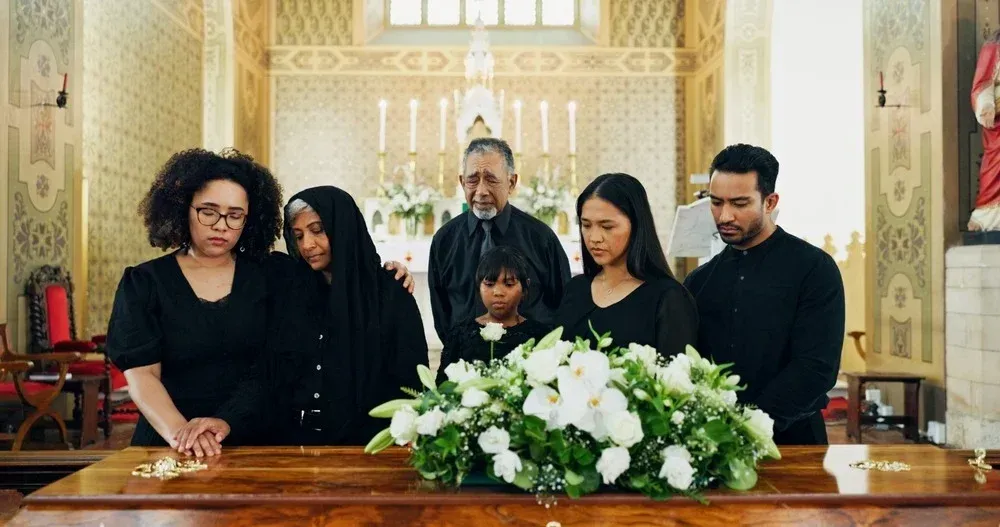
For Rosa’s oldest son, Miguel, the choice had been clear—burial. “It’s what Mamá would have wanted,” he said gently, recalling the rosaries she prayed nightly and her devotion to the Church. In their tradition, a vigil had been held the evening before, filled with prayer, stories, and the comforting repetition of the rosary in both Spanish and English.
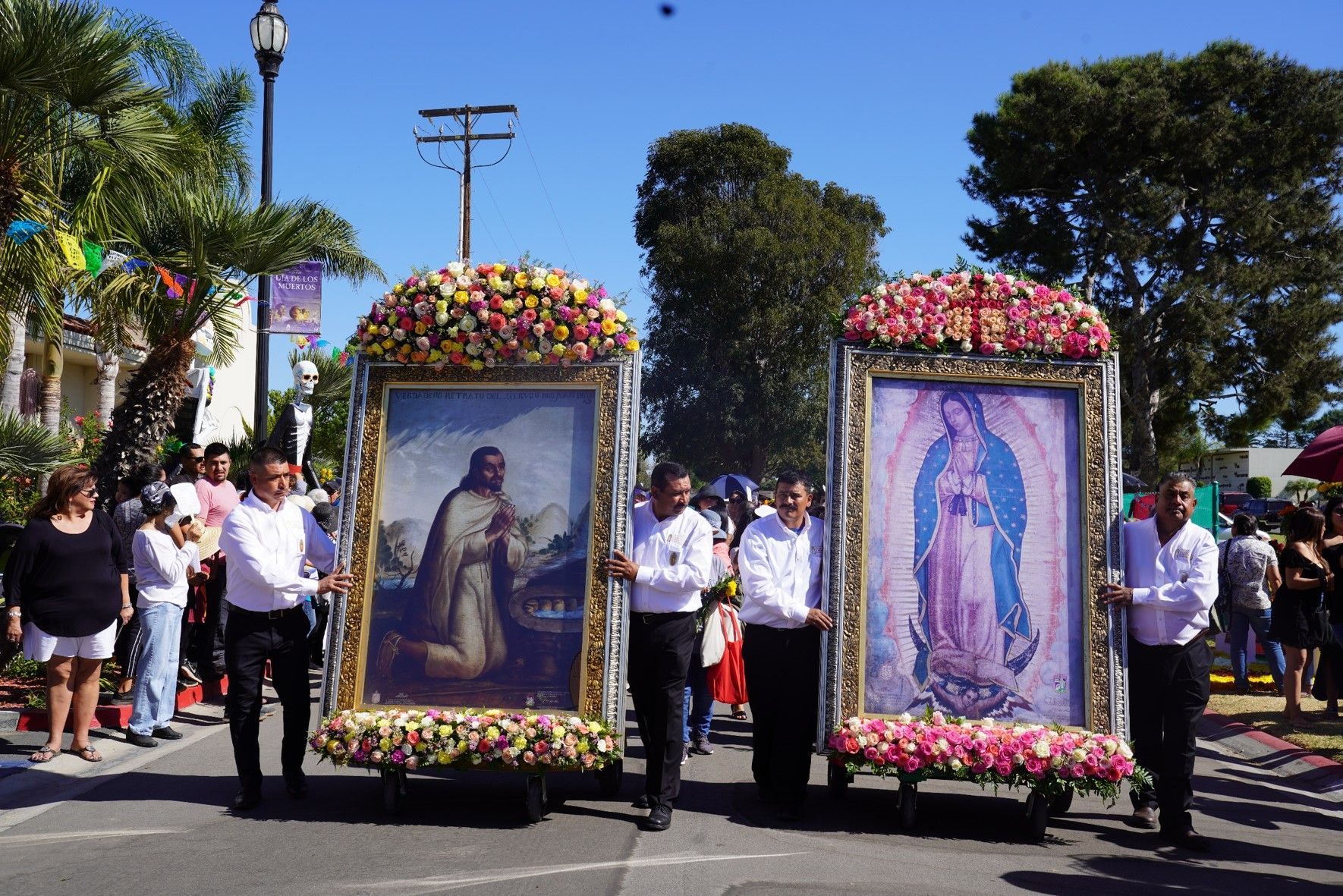
The funeral Mass that morning brought together generations: grandchildren who spoke mostly English, great-aunts who prayed only in Spanish, and neighbors from all walks of life. The ceremony was familiar, rooted in centuries-old Catholic rites, offering a sense of continuity and hope.

Yet standing nearby was Miguel’s sister Elena, who had quietly made a different decision for herself. She had already written her wishes down—cremation, followed by a celebration of life with family and friends in a place that held special meaning to her.
“It’s still respectful,” she had explained once. “Just… different.” Her children nodded. For their generation, this choice no longer felt unusual. Across California, cremation had become increasingly common, shaped by cost, flexibility, and changing cultural attitudes. The ability to plan memorials in a way that best honors a loved one’s life offered a sense of personal connection that resonated in a diverse and ever-evolving state.
As the service continued, the priest spoke gently about unity—not only in faith, but in love. Whether through burial in consecrated ground or through other forms of remembrance, what mattered most was dignity and prayer. The Ramirez family listened, each holding their own understanding of that truth.
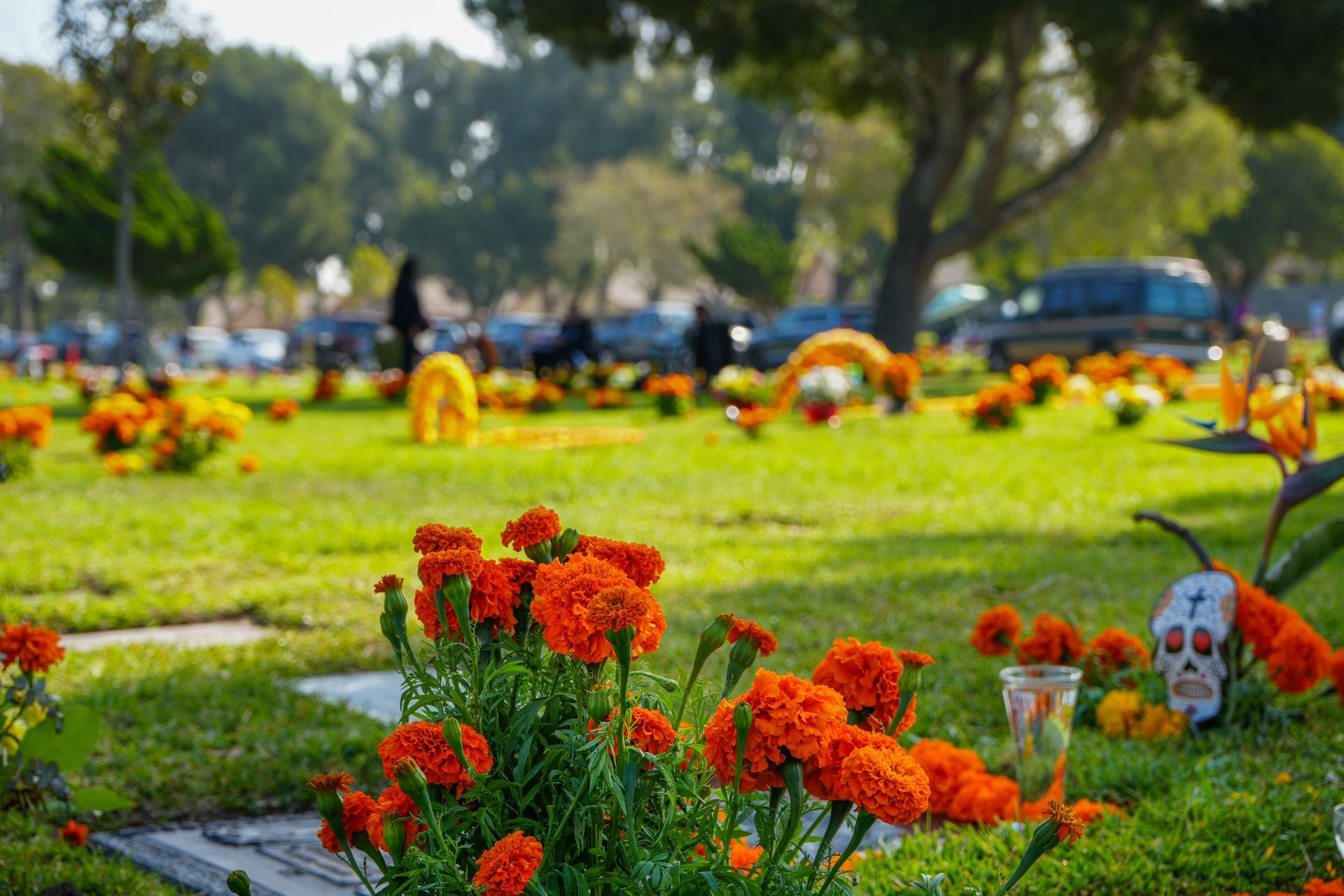
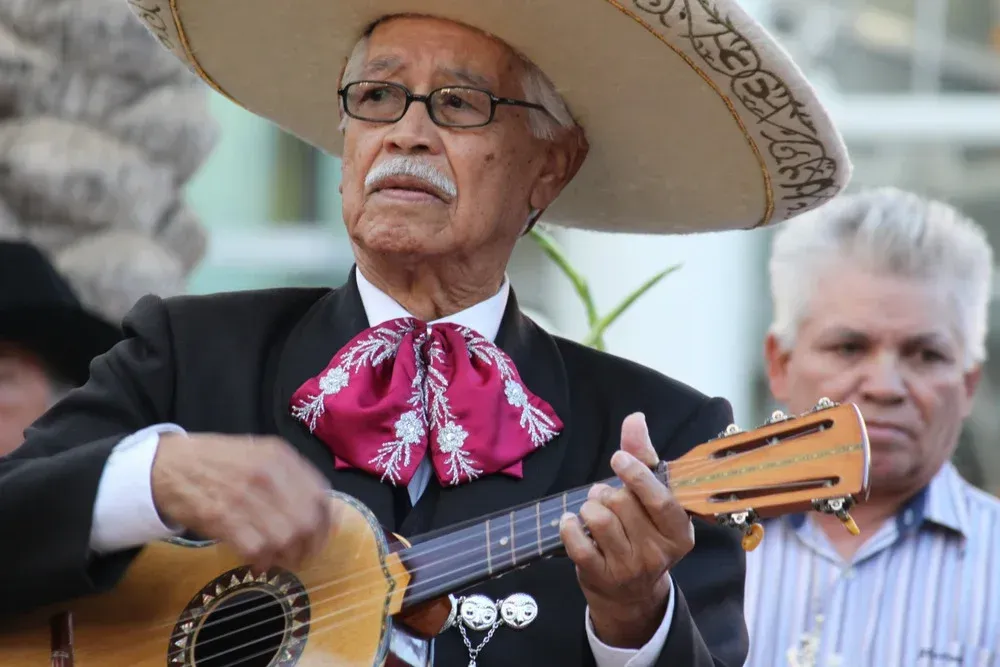
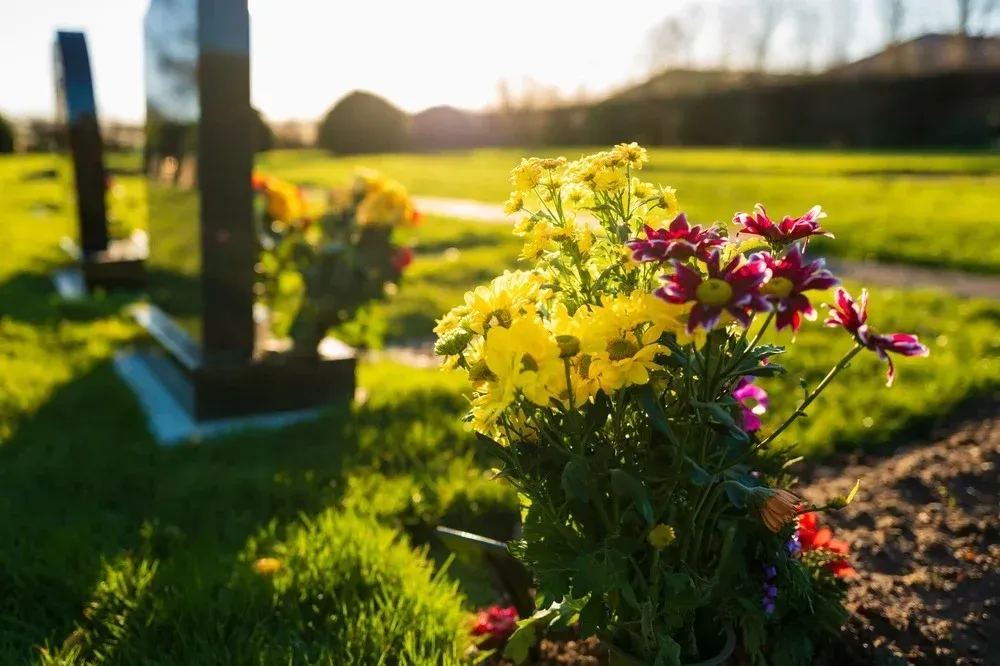
After the Mass, the family remained together, sharing quiet moments of reflection. A mariachi trio, arranged by Rosa’s nieces, played softly—a blending of tradition and celebration that felt uniquely Californian. Flowers surrounded the family, bright colors standing against the green lawn, a symbol not only of grief but of life continuing.

In those moments, differences in preference faded. What remained was shared memory, shared love, and a deep sense of connection—to one another, to their faith, and to the generations that came before them.
Later that afternoon, the family gathered at a nearby home. Stories were told, laughter slowly returned, and conversations turned toward the future—not only about remembrance, but about preparation.
California, Elena reflected, was a place where traditions were honored, yet thoughtfully reimagined. Some families held firmly to burial, valuing sacred ground, ritual, and continuity. Others chose cremation, seeking simplicity and flexibility.
But in the end, every choice carried the same quiet intention: to honor a life, to comfort the living, and to hold onto the hope that love endures beyond farewell.

As the sun dipped low over Los Angeles, Miguel and Elena stood side by side, looking out toward the horizon.
Different paths, perhaps—but the same destination of remembrance.
A Gentle Invitation
If you or your family have questions about burial or cremation, or would like guidance in making advance plans with clarity and peace of mind, we invite you to reach out. Thoughtful planning today can be a profound gift to those you love, ensuring that your wishes are honored with dignity, faith, and care.